GPS Tracking Solutions for Different Types of Logistics Businesses
The logistics industry operates on speed, accuracy, and visibility. Whether managing a fleet of delivery vans, transport trucks, or last-mile delivery vehicles, logistics companies face constant pressure to deliver goods on time while controlling operational costs.
Rising fuel prices, route inefficiencies, vehicle misuse, delivery delays, and lack of real-time visibility can significantly impact profitability. As customer expectations continue to grow, logistics businesses need smarter ways to monitor and optimize fleet operations.
This is where GPS tracking for logistics companies becomes essential.
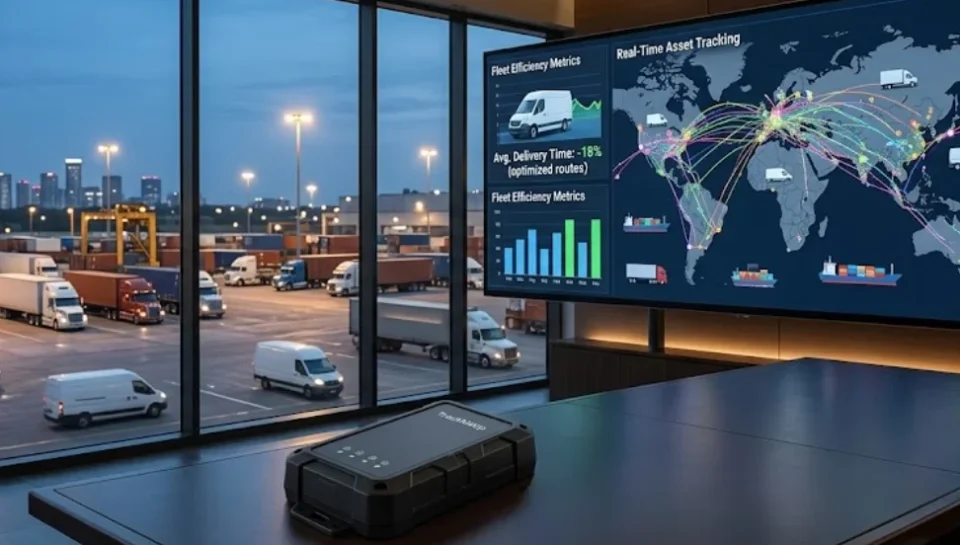
A modern GPS tracking system for logistics provides real-time vehicle visibility, route optimization, driver monitoring, geo-fencing alerts, and fleet performance insights. These capabilities help logistics companies improve delivery efficiency, reduce fuel consumption, increase vehicle utilization, and enhance customer satisfaction.
Key Takeaways
- Real-time visibility of all vehicles and drivers
- Improved delivery efficiency and route planning
- Reduced fuel consumption and operating costs
- Enhanced fleet utilization and productivity
- Better driver accountability and safety
- Faster response to delays and route deviations
- Improved customer service and delivery transparency
What Is GPS Tracking in Logistics?
GPS tracking in logistics refers to the use of GPS-enabled devices installed in vehicles to monitor location, movement, route history, speed, and operational performance in real time.
The system combines:
- GPS tracking hardware
- Cellular communication networks
- Fleet management software
- Cloud-based monitoring platforms
Fleet managers can access live vehicle information from a centralized dashboard, allowing them to make informed operational decisions.
How GPS Tracking Works
- GPS device collects vehicle location data.
- Location information is transmitted via a mobile network.
- Data is processed through a cloud platform.
- Fleet managers view real-time information through a dashboard.
- Alerts and reports help optimize operations.
Why Logistics Companies Need GPS Tracking Systems
Modern logistics operations involve multiple moving parts.
Challenges often include:
- Delivery delays
- High fuel costs
- Driver inefficiencies
- Unauthorized vehicle usage
- Lack of route visibility
- Increased maintenance expenses
- Customer complaints regarding delivery status
Without a reliable fleet tracking system, these issues can quickly affect service quality and profitability.
GPS tracking technology helps logistics companies transform fleet data into actionable insights that improve operational performance.
How GPS Tracking Improves Delivery Efficiency
Delivery efficiency is one of the most important performance metrics for logistics companies.
A vehicle tracking system improves delivery operations through multiple mechanisms.
Real-Time Fleet Visibility
Fleet managers can instantly view:
- Vehicle locations
- Route progress
- Delivery status
- Driver behavior
- Vehicle utilization
This eliminates guesswork and improves dispatch decision-making.
For example, if a customer requests a shipment update, the dispatcher can immediately provide accurate delivery information based on real-time tracking data.
Faster Route Optimization
Traffic congestion, road closures, and inefficient route planning often lead to delays.
A GPS fleet management system helps:
- Identify optimal routes
- Reduce unnecessary mileage
- Avoid traffic bottlenecks
- Improve trip planning
- Minimize travel time
Route optimization directly contributes to faster deliveries and improved fleet productivity.
Improved Dispatch Management
Dispatch teams can allocate vehicles more effectively when they know the exact location of every asset.
Benefits include:
- Faster order assignments
- Better fleet utilization
- Reduced idle time
- Increased daily deliveries
Improved dispatch coordination allows logistics companies to serve more customers without increasing fleet size.
How GPS Tracking Helps Reduce Fuel Costs
Fuel represents one of the largest operational expenses for logistics companies.
A properly implemented GPS tracking solution for logistics companies can significantly reduce fuel wastage.
Monitoring Vehicle Idling
Excessive idling consumes fuel without generating productivity.
GPS systems help identify:
- Idle duration
- Idle frequency
- Driver-specific idling patterns
Reducing Unauthorized Vehicle Usage
Unauthorized trips often increase fuel expenses and vehicle wear.
With real-time monitoring, fleet managers can detect:
- Off-route travel
- Personal vehicle usage
- Unauthorized stops
This improves accountability across the fleet.
Route Efficiency Improvements
Shorter and more efficient routes naturally result in lower fuel consumption.
Benefits include:
- Reduced travel distance
- Lower fuel usage
- Faster deliveries
- Increased vehicle availability
G18 4G GPS Tracker for Logistics Fleets
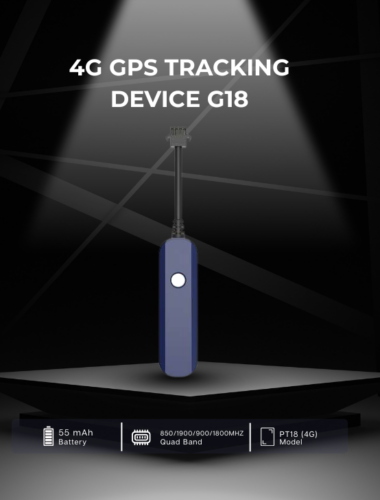
The TrackMeUp G18 GPS Tracker is designed to help logistics companies gain complete visibility over fleet operations. Equipped with 4G connectivity and advanced fleet monitoring capabilities, the G18 enables real-time vehicle tracking, route monitoring, and driver performance analysis to improve delivery efficiency and operational control.
Key Features of G18 GPS Tracker
- Real-Time Vehicle Tracking
- 4G LTE Connectivity
- Smart Geo-Fencing Alerts
- Route History & Trip Playback
- Driver Behavior Monitoring
- Fleet Monitoring Dashboard
- Instant Alert Notifications
- Remote Immobilization Support
Ideal Applications
- Logistics Companies
- Transport & Freight Operators
- Delivery Vehicle Fleets
- Courier & Parcel Services
- E-Commerce Logistics
- Third-Party Logistics (3PL)
Why G18 is Ideal for Logistics Companies
The G18 GPS Tracker helps fleet managers monitor vehicle movement in real time, optimize delivery routes, reduce fuel wastage, and improve fleet utilization. With advanced tracking and reporting capabilities, logistics businesses can make faster operational decisions, improve customer service, and maintain better control over fleet activities.
Key Features to Look for in a Logistics GPS Tracking System
Not all tracking solutions offer the same capabilities.
When selecting a GPS tracking system for logistics companies, consider the following features.
Real-Time Vehicle Tracking
The foundation of any fleet management system.
Provides:
- Live location updates
- Route monitoring
- Vehicle status visibility
- Trip history
Geo-Fencing Alerts
Geo-fencing creates virtual boundaries around specific locations.
Alerts can be generated when vehicles:
- Enter designated areas
- Exit operational zones
- Arrive at customer locations
- Leave approved routes
This improves operational control and security.
Route History and Playback
Historical route analysis helps identify:
- Inefficient routes
- Driver behavior patterns
- Delivery bottlenecks
- Fleet utilization opportunities
Fleet managers can continuously improve logistics operations using historical insights.
Driver Behavior Monitoring
Driver performance has a direct impact on:
- Fuel consumption
- Safety
- Maintenance costs
- Delivery reliability
Monitoring key driving metrics helps logistics companies improve operational efficiency.
Logistics Operations: Before vs After GPS Tracking
| Without GPS Tracking | With GPS Tracking |
|---|---|
| Limited vehicle visibility | Real-time fleet visibility |
| Higher fuel consumption | Optimized fuel usage |
| Delivery delays | Improved delivery performance |
| Manual monitoring | Automated fleet management |
| Poor route planning | Route optimization |
| Limited driver accountability | Driver behavior monitoring |
| Customer uncertainty | Real-time delivery updates |
| Reduced productivity | Improved fleet efficiency |
Accessories for G18 GPS Tracker
The 4G GPS Tracking Device G18 is supported with secure installation accessories:
Wiring harness
Relay for remote immobilisation
SOS button
Fuse & connectors
Mounting kit
RFID/IButton (optional for driver identification)
These accessories enhance the functional capability and reliability of the device.
Connector & Wiring Overview
The G18 includes secure wiring options:
Primary Connectors
Power cable (positive & negative)
Ignition sensing wire
Relay port for immobilisation
SOS button port
Advanced Inputs/Outputs
Multiple I/O pins
External power cutoff
ACC status detection
TrackMe Up’s certified technicians ensure wiring is routed neatly and remains tamper-proof.
Installation & Maintenance
Installation Steps:
-
Identify hidden and secure mounting location.
-
Connect power & ignition wires to the vehicle.
-
Attach relay for remote immobilisation (optional).
-
Perform device orientation alignment.
-
Verify live tracking on TrackMe Up app/web.
Maintenance Tips:
-
Regularly check device connectivity.
-
Ensure wiring and connectors remain intact.
-
Monitor battery backup (if applicable).
-
Enable geo-fence alerts for added safety.
-
Update firmware when released by TrackMe Up.
-
Identify hidden and secure mounting location.
-
Connect power & ignition wires to the vehicle.
-
Attach relay for remote immobilisation (optional).
-
Perform device orientation alignment.
-
Verify live tracking on TrackMe Up app/web.
Maintenance Tips:
-
Regularly check device connectivity.
-
Ensure wiring and connectors remain intact.
-
Monitor battery backup (if applicable).
-
Enable geo-fence alerts for added safety.
-
Update firmware when released by TrackMe Up.
Regularly check device connectivity.
Ensure wiring and connectors remain intact.
Monitor battery backup (if applicable).
Enable geo-fence alerts for added safety.
Update firmware when released by TrackMe Up.
Certifications & Compliance
The G18 4G GPS Tracking Device meets essential standards:
-
CE Certification
-
RoHS Compliance
-
ISO-grade manufacturing
-
Telecom-grade chipset
-
AIS-140 compatible version available
These certifications ensure reliability, safety, and performance for long-term operations.
Global Reach – Why Choose TrackMe Up?
TrackMe Up is one of India’s emerging leaders in GPS tracking systems, offering secure and scalable solutions for individuals, delivery companies, logistics, and enterprise fleets.
Why choose TrackMe Up?
-
Real-time 4G GPS tracking
-
Smart geo-fencing safety
-
Remote immobilisation
-
Tamper alerts
-
Mobile + Web dashboard
-
Compatible with VRL, RILApp, FollowMee
-
24/7 support
-
Affordable plans
-
Easy integration with existing systems
Real-time 4G GPS tracking
Smart geo-fencing safety
Remote immobilisation
Tamper alerts
Mobile + Web dashboard
Compatible with VRL, RILApp, FollowMee
24/7 support
Affordable plans
Easy integration with existing systems
The G18 perfectly aligns with TrackMe Up’s vision of creating intelligent tracking ecosystems.
Conclusion
As logistics operations become more complex, businesses need better visibility into fleet activities, vehicle performance, and delivery operations.
A modern GPS tracking system helps logistics companies improve delivery efficiency, reduce fuel costs, optimize routes, monitor driver behavior, and enhance customer satisfaction.
By implementing the right GPS tracking solution, logistics businesses can increase productivity, improve fleet utilization, and gain a competitive advantage in an increasingly demanding marketplace.
Visit: https://trackmeup.in/
Or contact our team for customised solutions.
FAQs
What is GPS tracking in logistics?
GPS tracking in logistics enables real-time monitoring of vehicles, routes, and deliveries to improve fleet visibility and operational efficiency.
How does GPS tracking improve delivery efficiency?
GPS tracking helps optimize routes, reduce delays, and improve dispatch planning, resulting in faster and more reliable deliveries.
Can GPS tracking reduce fuel costs?
Yes, GPS tracking reduces fuel costs by minimizing idling, preventing route deviations, and promoting efficient driving behavior.
What are the benefits of GPS tracking for logistics companies?
Key benefits include real-time fleet visibility, route optimization, fuel savings, driver monitoring, and improved customer service.
Why do logistics companies invest in GPS tracking systems?
Logistics companies use GPS tracking systems to improve delivery efficiency, reduce operating costs, and gain complete fleet visibility.